


"판다에서 팔린다"로 — 제이의 생각
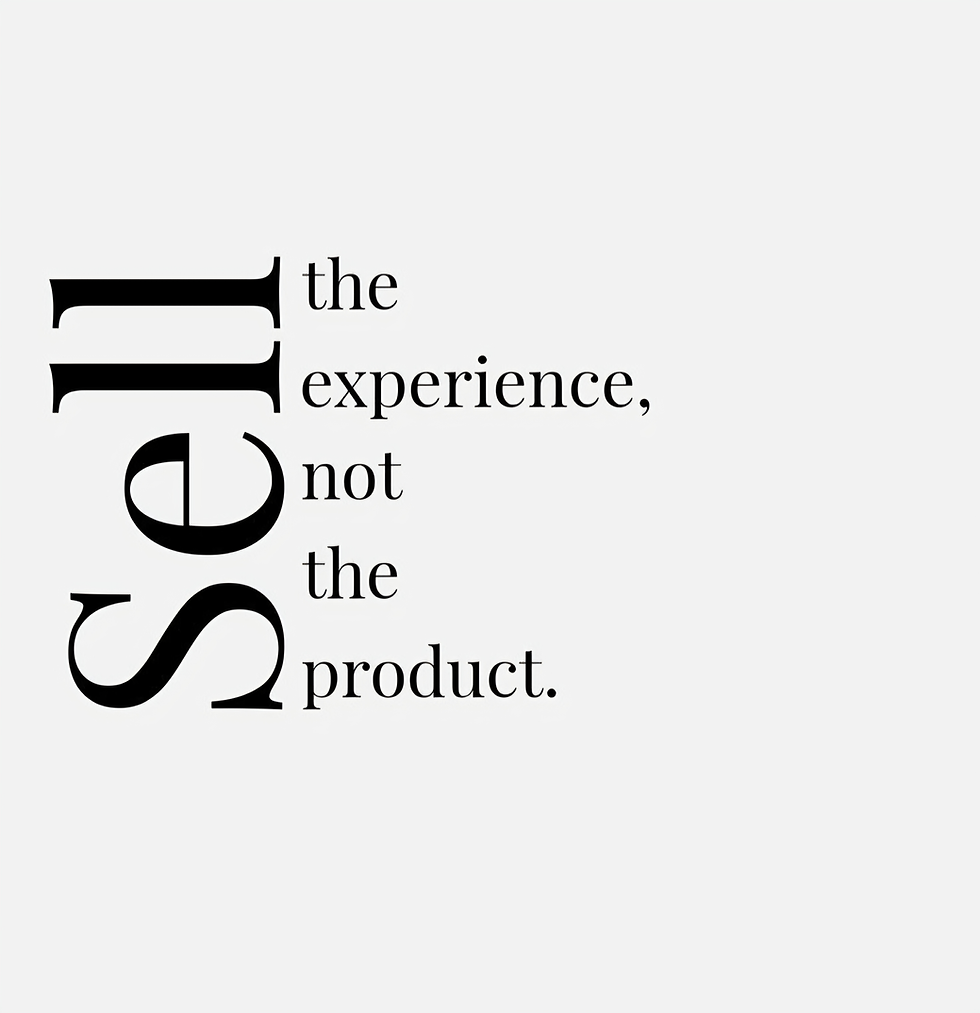
지난 호에 약속드린 대로, 제이가 반성문과 함께 돌아왔습니다.
정확히 옮기면 이렇습니다. "본인은 취재 중 온육수에 다대기를 풀어 몰래 시식한 사실을 인정하나, 이는 어디까지나 품질 검수 차원이었음을 밝힙니다." 검수에 밥까지 말 필요가 있었느냐는 저의 추궁에는 묵비권을 행사하셨습니다. 반성문은 일단 접수하기로 했습니다. 오늘의 주인공이 제이이기 때문입니다.
시작하기 전에, 여러분께 질문 하나 드릴게요. 여러분은 길주옥 앞을 지나가 본 적이 있으신가요? 없으실 겁니다. 길주옥에는 지나갈 간판이 없고, 줄 설 문이 없고, 앉을 자리가 없으니까요. 요즘 세상에 가게를 열면서 가게를 열지 않는다니 — 저는 이게 줄곧 이상했습니다. 사십 년 손맛이면 목 좋은 자리에 간판부터 거는 게 순서 아닌가? 그래서 오늘은 그 질문을 정면으로 던졌습니다. 이 구조를 설계한 사람에게요.
에릭: 단도직입으로 묻겠습니다. 왜 매장부터 열지 않으셨습니까? 보통은 매장을 열고, 잘되면 배달을 붙이잖아요. 거꾸로 가신 겁니다.
제이: 거꾸로가 아니에요. 구조를 바꾼 겁니다.
에릭: 어떻게 다르죠?
제이: 순서를 뒤집은 거라면 결국 같은 구조 안에 있는 거예요. 저희는 구조 자체를 다시 그렸습니다. 생각해보세요. 매장은 한정적입니다. 자리가 서른 개면 하루에 받을 수 있는 손님이 정해져 있고, 상권이 정해지면 올 수 있는 사람이 정해져요. 그런데 배달은 무제한입니다. 저희에게는 좌석이 없는 대신, 이 도시의 모든 문 앞이 저희 자리예요. 『설계자의 언어』식으로 말하면 — 좌석 수만큼 크는 가게가 아니라, 문의 개수만큼 크는 부엌을 설계한 겁니다.
에릭: 하지만 잃는 것도 있잖아요. 간판, 입지, 인테리어, 분위기. 손님을 끌어들이는 장치가 하나도 없습니다.
제이: 맞습니다. 그리고 그게 핵심이에요. 저희는 지금 블라인드 테스트를 받고 있는 겁니다.
에릭: 블라인드 테스트요?
제이: 목 좋은 자리의 간판도, 근사한 인테리어도, 옆 테이블의 줄도 없이 — 손님과 저희가 서로의 얼굴도 모르는 채로, 오직 뚜껑을 여는 순간의 맛 하나로만 심사받는 거예요. 정공법이죠. 화장기 없는 맨얼굴로 한 사람 한 사람에게 시험을 치르는 겁니다. 그렇게 한 분이 통과시켜 주시면, 그분이 팬이 되고, 그분의 한 마디가 서사가 됩니다. 저희는 지금 매장을 미루고 있는 게 아니라, 팬과 이야기를 먼저 쌓고 있는 거예요.
에릭: 그래도 여전히 이상하게 보는 시선은 있을 겁니다. 맛집이라면 매장이 있어야지, 하는.
제이: 저는 그 시선이 더 이상합니다. 생각해보세요. 요즘 기업이 신문에 광고를 내지 않고 유튜브와 SNS로 간다고 하면, 아무도 이상하다고 하지 않아요. 당연하다고 하죠. 사람들이 보는 곳이 바뀌었으니까. 그런데 왜 부엌이 거리의 매장이 아니라 앱에서 승부를 보겠다고 하면 이상하다고 할까요? 같은 일인데요. 사람들이 모이는 자리가 거리에서 손바닥 위로 옮겨왔으면, 부엌도 그리로 가는 게 당연한 겁니다. "왜 매장을 안 열고 배달을 해?"가 틀린 질문이고, "당연히 배달부터 해야지"가 지금 시대의 바른 문장이에요.
그리고 솔직히 — 흥미진진하지 않습니까? 수만 개의 부엌이 겨루는 이 거대한 배달 시장에, 사십 년 장인이 걸어 들어와 한 그릇씩 자리를 잡아가는 모습이요. 저는 이게 영웅의 서사라고 생각합니다. 이때, 곁에서 육수 통을 살피던 장인이 처음으로 끼어드셨습니다.
장인: 그리고 다들 하나 잘못 알고 있는 게 있어요. 배달이 새것인 줄 알지? 냉면은 원래 배달로 크던 음식이에요. 옛날 경성 시절에, 회사 다니는 사람들이 점심때 전화로 냉면을 시켰어요. 그러면 배달부가 자전거를 타고 종로 거리를 달려서 문 앞까지 갖다줬지. 냉면이 이 나라 배달 음식의 원조예요.
제이: 맞습니다. 그 시절의 전화가 지금의 앱이 되고, 자전거가 오토바이가 됐을 뿐이에요. 그러니 저희는 이상한 길을 가는 게 아니라, 백 년 만에 원형으로 돌아온 겁니다. "왜 매장을 안 열고 배달을 해?"라는 질문의 진짜 답은 이거예요 — 냉면은 처음부터, 문 앞의 음식이었습니다.
에릭: 그런데 그 서사가 성립하려면 전제가 하나 필요합니다. 배달 가는 동안 맛이 무너지면 안 되잖아요. 특히 냉면은 — 다들 걱정하죠. 뚜껑을 열면 불어 있을까 봐.
제이: 그 질문을 기다렸습니다. 저희 면은 육수와 같이 담아도 안 붇습니다.
에릭: ......같이 담아도요?
제이: 네. 그런데 이걸 그냥 "사십 년 반죽의 힘"이라고만 말하면, 어른께 실례가 됩니다. 이건 힘이 아니라 계산이에요. 배달을 계산한 노하우입니다. 어른은 이 면이 부엌을 떠나 문 앞에 도착하기까지의 시간을 헤아리고, 그 시간에 맞춰 면을 다시 맞추셨어요. 가게에서 손님 앞에 바로 놓이던 면과, 길 위에서 시간을 견뎌야 하는 면은 다른 면이어야 한다는 걸 아셨던 거죠.
그 조정의 과정을 저는 옆에서 지켜봤습니다. 시작하기 전, 부엌에는 며칠 동안 타이머 소리가 울렸어요. 어른은 포장한 냉면을 앞에 놓고, 배달에 걸리는 시간만큼 기다렸다가 뚜껑을 열고, 한 젓가락 드시고, 한마디 하셨습니다. "다시." 다음 날도 같은 자리에서, "다시." 하루는 저를 부르더니 물으셨어요. "제일 먼 집이 어디야?" 가장 가까운 집이 아니라 가장 먼 문 앞에 맞춰야, 모든 문 앞이 맞는다는 거였습니다. 구체적인 방법은 부엌의 것으로 남겨두겠습니다만 — 그렇게 사십 년 동안 그릇에 담아온 감각으로, 이번에는 문 앞에 도착하는 그 순간을 그릇 삼아 면을 맞추신 거예요. 그리고 며칠 뒤, 그 침묵의 시험 끝에 나온 다섯 글자를 저는 지금도 잊지 못합니다.
"이제 보내도 돼."
저는 그걸 보고 생각했어요. 장인은, 장인이구나. 매체가 바뀌면 광고가 바뀌듯, 그릇이 문 앞으로 바뀌니 면을 바꾸신 거예요. 제 구조론이 대단한 게 아니라, 어른이 먼저 당신의 방식으로 하고 계셨던 겁니다. 면이 무너지지 않으니, 구조가 섭니다. 그러니까 정확히 말하면 — 길주옥의 배달은 제 설계가 아니라, 어른의 사십 년 노하우와 제 구조론이 합쳐진 겁니다.
장인: 사십 년을 그릇에 담아 내다 보면, 문 앞까지 갈 면은 어떻게 내야 하는지도 알게 돼요. 불 것 같으면, 내보내질 않지.
에릭: (웃음) 명쾌하시네요. 그럼 이 구조의 끝은 뭡니까? 계속 문 앞으로만 가는 건가요?
제이: 아니요. 지난번에 말씀드린 세 단계, 기억하시죠. 이렇게 한 분 한 분의 심사를 통과하며 팬이 쌓이면, 언젠가 매장의 문을 열 때 — 그 문은 텅 빈 상권에 거는 도박이 아니라, 이미 저희 맛을 아는 분들과의 약속 장소가 됩니다. 홍보가 따로 필요 없는 개업이요. 어디에 열어도 되는 가게요. 지금 이 힘이 작아 보일 수 있다는 걸 압니다. 간판도 줄도 없으니까요. 그런데 저는 이게 큰 힘이라고 믿어요. 한 그릇씩 통과한 시험은, 광고로 산 이름보다 오래가니까. 그래서 제 목표는 '판다'가 아니라 '팔린다'입니다. 파는 가게는 목소리를 키워야 하지만, 팔리는 부엌은 맛을 깊게 하면 됩니다. 광고가 미는 게 아니라, 팬이 끌어당기는 것. 판다에서 팔린다로 — 말로는 한 끗 차이지만, 그 사이에 제가 그리는 구조의 전부가 들어 있습니다.
에릭: 옛날 방식이네요. 맛으로만 입소문을 내는 거요.
제이: 그렇죠. 그런데 재미있는 게 뭔지 아세요? 그 옛날 방식이 지금 가장 새로운 방식이 됐다는 거예요. 요즘은 스토리가 무기가 되는 시대라고, 도널드 밀러라는 작가가 책까지 썼더군요. 다들 이야기를 새로 지어내려고 애를 쓰는데 — 저희는 지어낼 필요가 없어요. 사십 년 묵은 진짜 이야기를 꺼내기만 하면 되니까. 옛 시대의 장인과 사업가가, 새로운 세상에서, 자기들이 하던 방식 그대로 다음 유행을 만들고 있는 겁니다. ......너무 컸나요? (웃음)
에릭: 아뇨. 기록해두겠습니다. 나중에 맞았는지 틀렸는지 이 저널이 증거가 되겠네요.
제이: 그거 좋네요. 그래서 이 저널을 쓰는 거기도 합니다.
돌아오는 길에 생각했습니다.
우리는 간판이 클수록, 줄이 길수록, 광고가 많을수록 믿는 시대에 살고 있습니다. 그런데 여기, 그 전부를 스스로 내려놓고 맨얼굴의 맛 하나로 한 사람씩 심사받겠다는 부엌이 있습니다. 파는 부엌이 아니라, 팔리는 부엌이 되겠다는 겁니다. 그리고 수만 개의 부엌이 겨루는 시장에 걸어 들어온 사십 년의 장인 — 어쩌면 이 저널은, 그 영웅담의 첫 장을 기록하고 있는 중인지도 모르겠습니다. 아니, 첫 장이 아니라 속편이겠네요. 백 년 전 경성의 거리를 달리던 자전거 냉면 배달부들이 이미 1편을 써두었으니까요. 그 심사위원석은 — 눈치채셨겠지만 — 바로 여러분의 식탁입니다. 길주옥의 매장은 여러분의 문 앞이고, 개업일은 여러분이 뚜껑을 여는 순간입니다.
오늘 저녁, 심사위원이 되어보시겠습니까? 간판도 인테리어도 없이, 사십 년의 면과 값을 부를 수 없는 양념만 문 앞에 도착합니다. 통과시킬지 말지는 여러분의 첫 젓가락이 정합니다.
다음 호에서는 그 한 그릇 곁에 놓이는 것들의 이야기입니다. 수육, 만두, 그리고 상 위의 조연들 — 냉면 한 그릇을 완성하는 상차림 편입니다.
어서 다음 이야기로 만나고 싶습니다. 저널리스트 에릭이었습니다.
그런데 말이죠, 제이 님. 반성문은 접수했습니다만 — "품질 검수"를 그렇게 자주 하시는 건 여전히 의심스럽습니다. 다음부터 검수하실 때는 저도 입회하겠습니다. 공정성을 위해서요. 네에~?
길주옥 저널은 이틀에 한 번, 에릭이 묻고 제이가 답하는 복을 짓는 부엌의 이야기를 기록합니다.
From "We Sell" to "It Sells" — The Way Jay Thinks
As promised last issue, Jay has returned — letter of apology in hand.
Quoted verbatim: "I acknowledge secretly tasting dadaegi stirred into warm broth during the interview, but wish to state that this was strictly a matter of quality inspection." When I pressed him on whether quality inspection truly required dropping in a bowl of rice, he exercised his right to remain silent. I have decided to accept the letter — because today's protagonist is Jay.
Before we begin, a question for you.
Have you ever walked past Giljuok? You haven't. There is no signboard to walk past, no door to queue at, no seat to sit in. Opening a restaurant without opening a restaurant, in this day and age — this had always puzzled me. With forty years of craft in hand, isn't the obvious move to hang a sign on a prime corner?
So today, I put that question squarely to the man who designed this structure.
Eric: Let me be blunt. Why didn't you open a store first? The usual order is: open the shop, and if it does well, add delivery. You went backwards.
Jay: Not backwards. We changed the structure.
Eric: What's the difference?
Jay: If you merely reverse the order, you're still inside the same structure. We redrew the structure itself. Think about it. A store is finite. Thirty seats fix the number of guests you can serve in a day; a location fixes who can come. But delivery is unbounded. We have no seats — and in exchange, every front door in this city is our seat. To put it in the language of an architect: we didn't design a shop that grows by the number of chairs. We designed a kitchen that grows by the number of doors.
Eric: But you lose things, too. The signboard, the location, the interior, the atmosphere. You have none of the machinery that draws customers in.
Jay: Exactly. And that's the point. What we are undergoing right now is a blind test.
Eric: A blind test?
Jay: No signboard on a prime corner, no handsome interior, no queue at the next table — the customer and we don't even know each other's faces, and we are judged by one thing alone: the taste, at the moment the lid comes off. It's the honest way. Bare-faced, no makeup, sitting the exam one customer at a time. When one person passes us, that person becomes a fan, and that person's word becomes the story. We aren't postponing a store. We are building fans and a story first.
Eric: Still, some will find it strange. A great restaurant is supposed to have a restaurant.
Jay: I find that gaze stranger. Think about it. When a company today skips the newspapers and goes to YouTube and social media, nobody calls it strange. They call it obvious — because where people look has changed. So why is it strange when a kitchen chooses to compete not on a street but in an app? It's the same move. If the place where people gather has shifted from the street to the palm of a hand, then the kitchen going there is simply the natural thing. "Why delivery instead of a store?" is the wrong question. "Of course you start with delivery" — that is the correct sentence of this era.
And honestly — isn't it thrilling? Into this vast delivery market where tens of thousands of kitchens compete, a forty-year master walks in and takes his ground, one bowl at a time. I think of it as a hero's epic.
At this point, the master — who had been checking the broth vats beside us — cut in for the first time.
Master: And there's one thing everyone has wrong. You think delivery is the new thing? Naengmyeon grew up as a delivery food. Back in the old Gyeongseong days, office workers would telephone in their naengmyeon at lunchtime, and a delivery man would race through the streets of Jongno on a bicycle to bring it to the door. Naengmyeon is the original delivery food of this country.
Jay: Exactly. The telephone of that era became today's app; the bicycle became the motorbike. That's all that changed. So we aren't walking a strange road — we've returned, after a hundred years, to the original form. The real answer to "why delivery instead of a store?" is this: naengmyeon has been a food of the front door from the very beginning.
Eric: But for that epic to hold, there's one premise. The taste must survive the ride. Especially naengmyeon — everyone has the same worry. That you'll open the lid and find the noodles gone soft.
Jay: I was waiting for that question. Our noodles don't go soft — even packed together with the broth.
Eric: ......Even packed together?
Jay: Yes. But if I called that simply "the strength of forty years of dough," I'd be doing the master a disservice. It isn't strength — it's calculation. Know-how, computed for delivery. The master reckoned the time this noodle would spend between leaving the kitchen and arriving at the door, and he re-tuned the noodle to that time. He understood that a noodle set straight before a customer and a noodle that must endure the road cannot be the same noodle.
I watched that tuning from beside him. Before we began, for days on end, a timer kept ringing in the kitchen. The master would set a packed naengmyeon in front of him, wait out the full length of a delivery ride, lift the lid, take one bite, and say one word: "Again." The next day, in the same seat: "Again." One day he called me over and asked, "Which house is the farthest?" Not the nearest house — the farthest door. Because a noodle tuned to the farthest door is right at every door. The specifics I'll leave to the kitchen — but with the same sense he'd honed over forty years of plating bowls, he tuned the noodle this time to a different bowl: the moment of arrival at yours. And a few days later, at the end of that silent examination, came the words I have never forgotten.
"Now you can send it out."
Watching that, I thought: a master is a master. Just as advertising changes when the medium changes, when the bowl became the front door, he changed the noodle. My theory of structure isn't the impressive part — the master had already done it, in his own way, before me. Because the noodle doesn't collapse, the structure stands. So to be precise — Giljuok's delivery isn't my design. It's the master's forty years of know-how and my theory of structure, joined.
Master: Plate bowls for forty years, and you come to know how a noodle bound for a front door must be made, too. If it were going to go soft, I wouldn't send it out.
Eric: (laughs) Clear as broth. Then where does this structure end? Only ever the front door?
Jay: No. You remember the three steps I mentioned. As we pass judgment one customer at a time and the fans accumulate, then someday, when we open the door of a real store — that door won't be a gamble hung on an empty street. It will be a meeting place promised to people who already know our taste. An opening that needs no marketing. A store that could open anywhere. I know this power can look small right now — no signboard, no queue. But I believe it is a large power. An exam passed one bowl at a time outlasts a name bought with ads. That's why my goal isn't "we sell" — it's "it sells." A shop that sells must keep raising its voice. A kitchen that gets sought only has to keep deepening its taste. Not advertising that pushes, but fans who pull. From "we sell" to "it sells" — in words, the smallest of shifts. But inside that shift sits the whole of the structure I'm drawing.
Eric: That's the old way. Word of mouth earned by taste alone.
Jay: It is. And here's the funny thing — that old way has become the newest way. We live in an age where story is the weapon; a writer named Donald Miller even wrote the book on it. Everyone strains to invent a story from scratch. We don't need to invent one. We only need to bring out a true story that has been resting for forty years. An old-world master and a businessman, in a new world, making the next trend by doing exactly what they've always done. ......Too grand? (laughs)
Eric: No. I'm putting it on the record. Later, this journal will be the evidence of whether you were right.
Jay: I like that. That's part of why we write it.
On the way home, I thought about it.
We live in a time that trusts the bigger signboard, the longer queue, the louder advertising. And here is a kitchen that has laid all of that down, of its own accord, to be judged bare-faced — one person at a time, on taste alone. Not a kitchen that sells, but a kitchen that gets sought. And a forty-year master who has walked into a market where tens of thousands of kitchens compete — perhaps this journal, without quite meaning to, is recording the first chapter of that hero's epic. No — not the first chapter. The sequel. The bicycle delivery men racing through the streets of old Gyeongseong wrote part one, a hundred years ago. The judge's seat, as you've surely noticed, is your own table. Giljuok's storefront is your front door, and its opening day is the moment you lift the lid.
Will you take the judge's seat tonight? No signboard, no interior — only forty years of noodle and a seasoning beyond price arrive at your door. Whether they pass is decided by your first bite.
Next issue: the story of what sits beside that bowl. Suyuk, dumplings, and the supporting cast of the table — the setting that completes a bowl of naengmyeon.
I can't wait to meet you in the next story. This was Eric, food journalist.
Oh, and Jay — the letter is accepted, but the sheer frequency of your "quality inspections" remains suspicious. From now on, I shall be present at every inspection. For fairness, of course. Pretty please?
The Giljuok Journal is published every two days — Eric asks, Jay answers, and together they record the story of a kitchen that builds fortune.


댓글